Hotel or Short Stay in Sydney
The wrong place to stay in Sydney rarely ruins a trip in one dramatic moment.
It does something quieter than that.
The mornings feel rushed. The evenings feel cramped. You start working around the room instead of relaxing into it. And by the time you notice, it has already shaped the whole trip.
That is why the hotel or short stay decision matters more than people think. It is really a decision about how the next few days are going to feel.
At TAS, we watch guests make this call every week. The pattern is clear. The answer almost always depends on one thing people forget to ask.
The real question is not hotel or short stay. It is how long you are staying.
For a single night, a hotel is hard to beat. You arrive, you sleep, you leave. Nothing to set up, nothing to think about.
But the moment a trip stretches past two or three nights, the maths quietly flips. Space, food, laundry and location stop being nice extras. They become the difference between enduring a room and actually living somewhere.
That is the line most people book on the wrong side of.
A hotel room in Sydney is neither cheap nor large.
Sydney was Australia’s most expensive hotel market in 2025, with average daily rates sitting around $275 a night, according to STR and CoStar data. On peak event nights, the average climbed past $305. That is the average, not the harbour-view premium.
Now look at what that buys. The typical Australian hotel room runs about 18 to 20 square metres, and SiteMinder’s industry data shows new builds trending smaller, not larger, as hotels push the space into shared lobbies and bars instead.
So the longer you stay, the more you are paying a premium rate for a shrinking room. A serviced apartment, by contrast, offers up to 30% more living space than a comparable hotel room, and in many cases far more, according to serviced-apartment specialists SilverDoor.
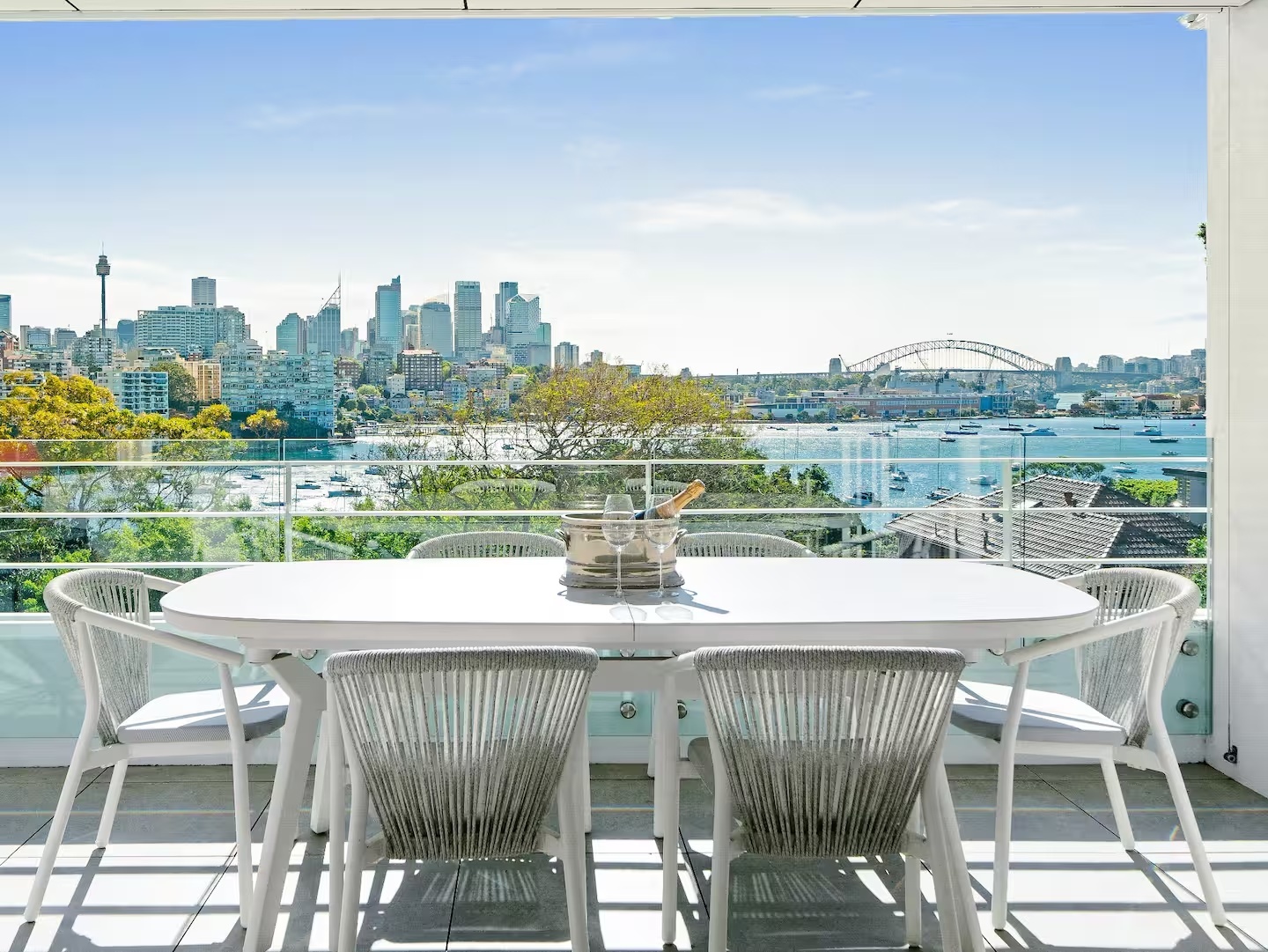
This is the gap TAS was built around. Our Sydney apartments give you a kitchen, a living area and a separate bedroom for a rate that holds steady as the nights add up, rather than a single room that charges premium money for views you barely have time to use.
The kitchen and the laundry are where the numbers really change.
A hotel quietly assumes you will eat out for every meal and pay for laundry by the item.
Over one night, fine. Over a week, that is a second budget running alongside your room rate.
This is why serviced apartments can work out up to 25% cheaper than hotels on longer stays once you factor in cooking a few meals at home and washing your own clothes, on SilverDoor’s analysis. The nightly rate is only part of it. The kitchen and the laundry do the rest of the work.
With TAS, that full kitchen and in-apartment laundry come standard, not as an upsell. You decide when to cook and when to go out, instead of having the choice made for you by a minibar and a room-service menu.
The way people travel has shifted toward staying put.
This is not only about families and holidays anymore. The shape of the average trip has changed.
More than 70% of business travellers now take at least one trip a year that blends work with leisure, and in 2026 the number of remote-friendly extended trips is forecast to rise by around 19.5%, according to bleisure travel research. Nearly a third of travellers now add three to four days onto a work trip, and the clear majority stay in the same place the whole time rather than moving.
The global market for this blended, longer-stay travel was valued at roughly $472 billion in 2025 and is tracking toward $732 billion by 2030.
People are staying longer and working from wherever they sleep. A hotel room is a tight fit for that. An apartment with a proper desk, fast Wi-Fi and a kitchen is exactly built for it, which is why so many of the longer TAS bookings now mix a few work days into the stay.
A short stay puts you in the neighbourhood, not above it.
A hotel keeps you slightly removed from the city. A short stay drops you into it.
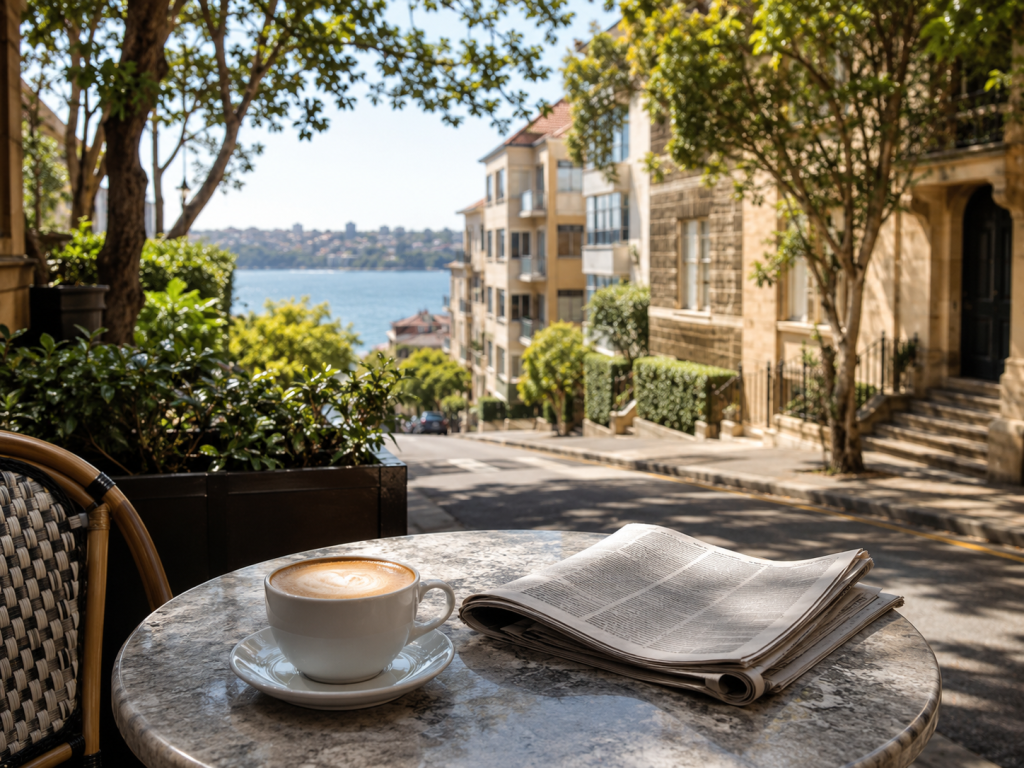
You find your local café. You learn which grocer is closest. You come back with takeaway and actually have a table to eat it at. You stop hovering above Sydney and start living in a corner of it.
That is the part guests remember long after they have forgotten the room rate. And it is the part TAS leans into hardest, placing people in real Sydney neighbourhoods across the lower north shore, the eastern suburbs and the inner west, rather than in an anonymous tower by the airport.
When a hotel still wins.
None of this means hotels are the wrong answer.
One or two nights, barely unpacking, just needing a bed near a meeting? A hotel is perfect, and TAS will happily tell you so.
The honest version of this decision is not hotel versus apartment as a rule for life. It is matching the place to the trip in front of you.
So the better question is the one to start with.
Instead of asking “hotel or not,” ask what kind of trip you actually want.
If it includes space, a kitchen, flexibility, a few work days, or simply feeling settled rather than parked, a short stay almost always wins, and it wins by more the longer you stay.
Because the wrong place to stay never ruins a Sydney trip in one big moment. It just quietly shapes the whole thing. Get the choice right at the booking stage, and the city does the rest. That is exactly what TAS is here to help you do: match the stay to the trip, not just to the dates.
Author: Neil Sturdy
Published: 24/06/2026